
What is the Difference Between Fuzz, Distortion and Overdrive Pedal
Difference Between Fuzz Distortion and Overdrive – For guitarists, buying or owning an effects pedal is an absolute necessity. Regardless of the number of pedals used, it helps us to know what are the differences between different types of pedals (analog/digital), stompboxes, or multi-effects. And one of the most common types of effects used by guitarists is the “gain-based effect”, where the effect works by changing the level, volume, and tone of the signal that enters the effect. Or the language is generally distortion/overdrive/booster.
Even though it is one of the most popular types of effects among guitarists, the differences between the types of effects that fall into the “gain-based effect” category are often confusing, especially for guitarists who are just starting to “play” with the stompbox. This time We will discuss three types of effects that fall into the category of gain-based effects, namely: Fuzz, Overdrive, and Distortion.
Following Difference Between Fuzz, Distortion, and Overdrive
Fuzz

Initially, this effect pedal was intended to allow guitarists to imitate the sound character of the saxophone. An effect that became popular and widely used as a booster since it was used by legendary guitarist Jimi Hendrix through his guitar solos and also Keith Richard with the Rolling Stones in the song “(I Can’t Get No) Satisfaction”.
From how to use it, the fuzz type effect can be used like the Overdrive effect; ie with a distorted amp. Although the way this effect works is similar to “Overdrive”, you could say this type of effect has its own distinct sound character
Distortion
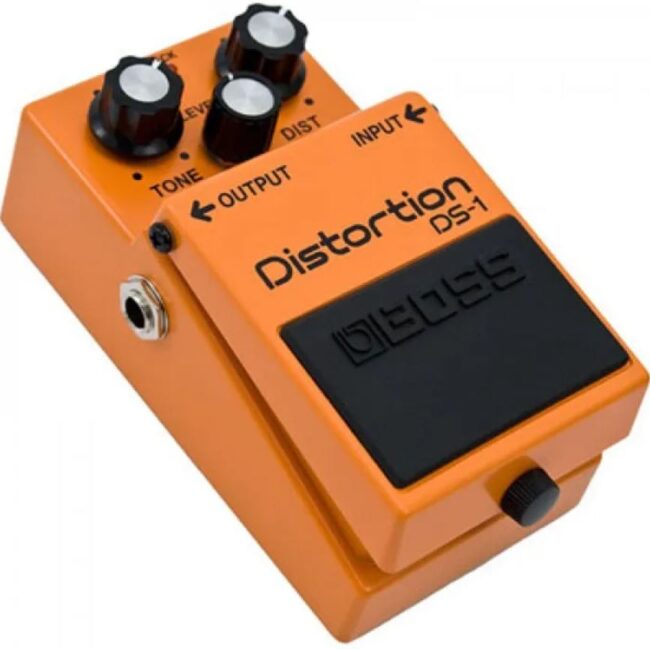
In short, the distortion-type pedal is able to produce more levels of drive/distortion compared to the “overdrive” type effects above, call it Metal Zone, Uber Metal, etc.
For its use, generally, this type of effect is often used to produce finished sound;
- Used in the clean channel of an amp.
-
Directly inserted through the return amp.
-
Directly put into a DI box that has a cabinet simulator.
Overdrive

As the name suggests, an overdrive pedal is made to “mimic” the sound of a tube amp that goes through the overdrive process. Even though this effect is actually a bit outdated, lately many amplifiers have been able to produce very good drive/distortion without the help of pedals. Call it brands like Tube Screamer TS808, Maxon, TS-9, Boss Super Overdrive.
In usage, this effect is generally used if the drive/lead channel of the amp used still requires more sustain or drive. So if you’re hoping to emulate a fierce sound, like the Marshall JCM 900 or Mesa Boogie amps, then don’t use this pedal.
You May Like This:
Conclusion
If sorted by the amount of distortion that can be produced, the biggest effect is the Distortion type. Although fuzz-type effects are able to produce a similar level of drive, guitarists rarely use the fuzz effect to play, because they will lose the detail of their sound. Hopefully, this article can help those of you who are still confused about what type of effect you should have.


