
The Essential Guide to the Functions of Keyboard Instrument: Types & Roles You Need to Know
When you hear the word “keyboard,” your mind probably jumps to a computer accessory. But wait— the functions of keyboard instrument go far beyond typing. In the musical realm, a keyboard is a powerful, versatile instrument capable of producing a vast range of sounds, from classical piano and string ensembles to futuristic electronic timbres. If you’re wondering just how critical this instrument is in both studio and live settings, and curious about the main types you should know, keep reading!
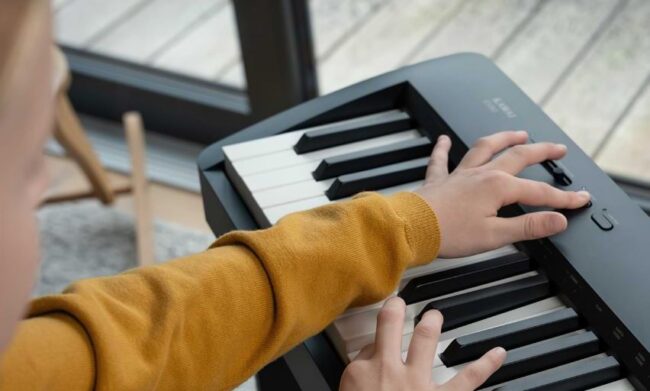
🎹 What Is a Keyboard Instrument?
At its core, a keyboard instrument is any musical device with a keyboard interface—so it’s played by pressing keys with your fingers. But don’t let its simplicity fool you: modern keyboards are complex machines. Within one instrument, you can have everything from a grand piano and orchestra strings to sci-fi synth effects. Today’s keyboard instruments are staples in everything from church services and home practice to full professional music production, film scoring, and live performances.
Key Functions of Keyboard Instrument
The role of the keyboard in music extends well beyond playing chords or melodies. Let’s explore the functions of keyboard instrument across sections:
1. Producing Melody & Harmony
The keyboard often serves as the musical heartbeat of a track. With one hand playing the melody and the other delivering harmonies or chords, it adds depth and movement. In ensemble settings, keyboards can layer lush pads with guitar riffs to create a rich, full-bodied sound.
2. Enhancing Music Production
Many keyboards now include built-in sequencers and arpeggiators. These features allow musicians to compose beats, loops, and intricate patterns directly within the instrument—ideal for bedroom producers who want to create demos without relying on separate DAW setups.
3. Emulating Other Instruments
One of the most impressive functions of keyboard instrument is its ability to mimic other instruments. A single device can sound like a grand piano, a string section, or even a saxophone, effectively giving you a miniature orchestra under your fingertips.
4. Acting as a MIDI Controller
If you use DAWs like Ableton Live, FL Studio, or Logic Pro, your keyboard can serve as a MIDI controller. Simply connect via USB or MIDI cable to trigger virtual instruments and record MIDI data—streamlining your production workflow.
5. Enhancing Live Performances
On stage, keyboards provide everything from ambient pads and intros to odd, never-seen-before effects. Whether using a digital synth or a full-fledged workstation, keyboardists are often the unsung heroes navigating different tones and layers throughout a performance.
Main Types of Keyboard Instruments
Now that you know what keyboard instruments can do, let’s break down the primary types and their unique strengths:
1. Digital Piano
Digital pianos replicate the sound and feel of acoustic pianos with weighted keys and realistic, sampled tones. They’re perfect for classical training or those who want the feel of a grand piano in a more compact and affordable format.
2. Portable Keyboard
These lightweight instruments are beginner-friendly, often featuring auto‑accompaniment, built-in rhythms, and tutorial modes. They’re perfect for practice, travel, and learning musical fundamentals.
3. Synthesizer
Synthesizers produce sounds from scratch—generating basses, leads, pads, and more with oscillators and filters. They’re essential in electronic music, hip-hop, and experimental genres.
4. Keyboard Workstation
Workstations are all-in-one powerhouses combining synth engine, MIDI sequencing, sampling, and onboard recording. Professional composers, producers, and performers often rely on these for complete production control.
5. MIDI Controller
MIDI controllers don’t generate sound by themselves—they control other devices or software. These are crucial tools for producers who primarily work within DAWs and need hands-on control of virtual instruments.
Choosing the Right Keyboard for You
Selecting the right keyboard depends on your goals:
- For classical practice or realistic piano play? ➜ Choose a Digital Piano.
- Need something easy to carry for practice or lessons? ➜ Go for a Portable Keyboard.
- Want to design your own sounds? ➜ A Synthesizer is your best bet.
- Looking for a comprehensive tool for production? ➜ Invest in a Keyboard Workstation.
- Working primarily in a DAW? ➜ A MIDI Controller will enhance your digital workflow.
Before the final section, here’s an internal link that might complement your reading:
You Might Also Like: How to Choose Guitar Strings for Beginners: A Comprehensive Guide
Wrapping Up: Why the Functions of Keyboard Instrument Matter
So there you have it—the functions of keyboard instrument touch every corner of music-making: melody, harmony, production, emulation, and performance. From digital pianos that sound like grand acoustic instruments to MIDI controllers that drive your whole studio setup, keyboards are indispensable.
Now that you’re more familiar with the different types—Digital Piano, Portable Keyboard, Synthesizer, Keyboard Workstation, and MIDI Controller—choose the one that aligns best with your goals. With dedication and creativity, your keyboard could be the seed of the next chart‑topping song, the next film score, or simply a delightful pastime that sparks your musical passion.
Ready to dive into your keyboard journey? It’s time to play, explore, and let those functions shape your sound. Happy music‑making!


